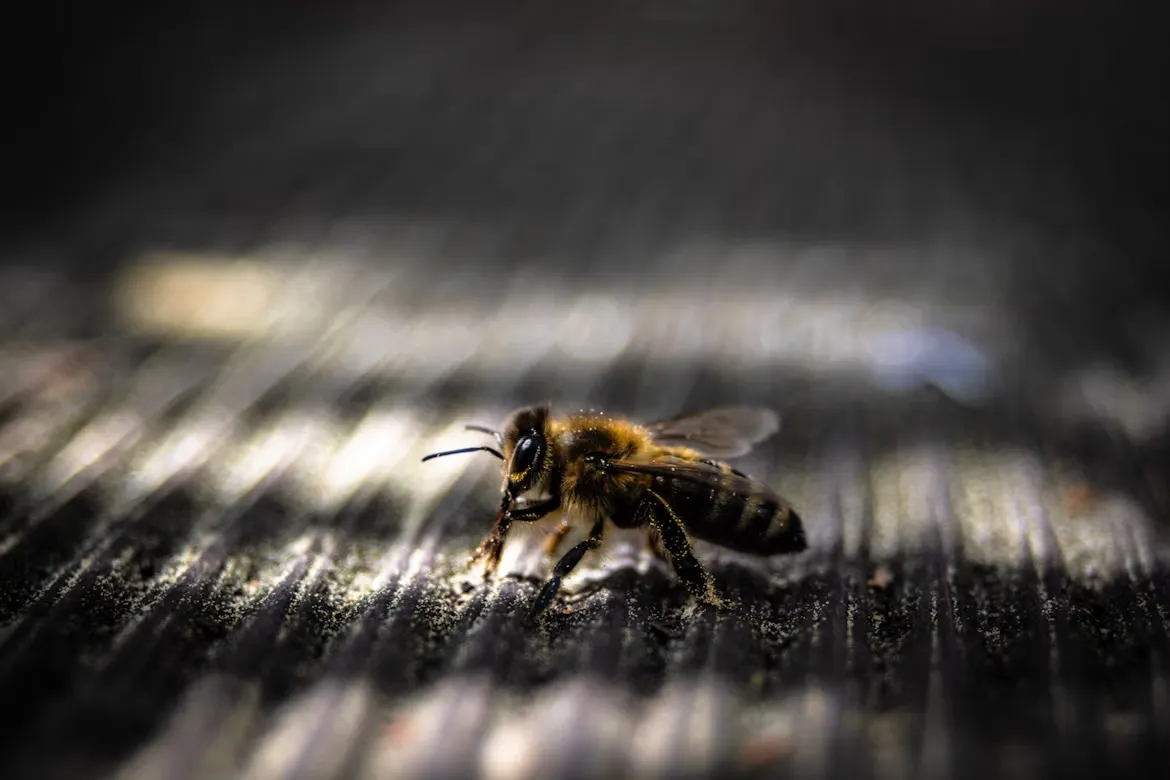
Long before anyone kept bees here, there were bees. The Irish Black Bee is Ireland’s own honeybee, and it has lived on this island since the end of the last Ice Age.
Its scientific name is Apis mellifera mellifera: the dark European honeybee, the native bee of northern and western Europe. In Irish it is an bheach dhubh, the black bee. Thousands of years of wet summers, mild winters and Atlantic weather have shaped it into a bee made for Ireland.
Made for this island
Shaped by Irish weather
Cool, damp days
The Irish Black BeeFlies and forages at lower temperatures and in duller weather, so it makes the most of an Irish summer.
Bees bred for warmer countriesTends to stay in until it’s warmer and brighter, and misses more of a short, wet summer.
Winter stores
The Irish Black BeeKeeps a smaller colony through winter and uses its honey sparingly, so it lasts until the spring flowers.
Bees bred for warmer countriesOften keeps a big colony going through winter, which eats through its stores faster.
Raising young
The Irish Black BeeRaises brood when there is forage and slows down when there isn’t, matching our unpredictable seasons.
Bees bred for warmer countriesTends to keep breeding hard, even when there’s little coming in.
Its coat
The Irish Black BeeDark and stocky, with long hair that helps it hold its warmth on cold days.
Bees bred for warmer countriesUsually lighter, often with yellow bands.
A European stronghold
One of the last of its kind
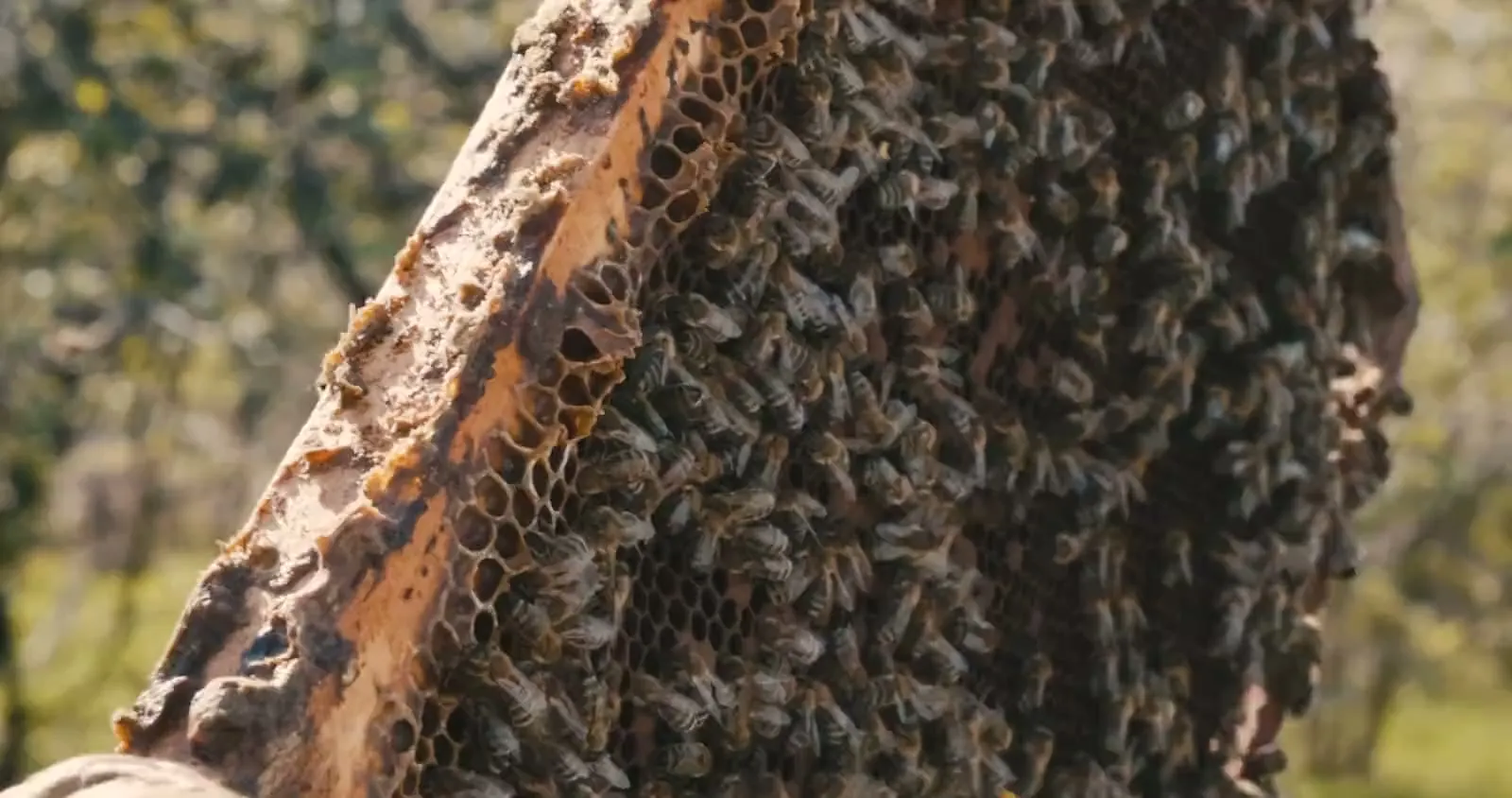
Across much of Europe, the dark bee has all but disappeared, crossed out of existence by a century of imported bees. Ireland is different. Research led from the University of Galway in 2018 found that a large, pure population of the native black bee still survives here, one of the most important left anywhere in Europe.
Wild colonies have been found living in trees, walls and old buildings around the country, getting by with no help from beekeepers at all. That makes Ireland’s black bees precious, and protecting them a job for all of us.
Why it needs protecting
Under pressure
Mixing with imported bees
Queens mate in flight with drones from miles around. Every imported colony nearby passes its genes into local bees, and over a few generations the native traits are diluted away.
Pests and disease
The varroa mite reached Ireland in 1998 and weakens colonies everywhere. Keeping native bees healthy, and learning how to manage varroa well, matters more than ever.
Fewer flowers
Hedgerows, wild margins and meadows have been lost across the country, and with them the steady run of flowers bees rely on from spring to autumn.
What you can do
Helping the black bee
Buy local Irish honey
Honey from a beekeeper near you supports local colonies and keeps the money in Irish beekeeping.
Keep native bees
If you keep bees, choose locally bred native stock and don’t import queens. It’s the single biggest thing a beekeeper can do.
Learn beekeeping with usPlant for pollinators
Let a patch grow wild, cut hedges later, and plant flowers that bloom through the year. The All-Ireland Pollinator Plan has simple ideas for gardens, farms and schools.
Support the foundation
Membership and donations fund our conservation work and training for the next generation of beekeepers.
Ways to support us