Mead is wine made from honey. It may be the oldest alcoholic drink of all, and in early Ireland it was the drink of feasts, kings and stories.
At its simplest, mead is just honey, water and yeast, left to ferment and then to age. The flavour depends on the honey: clover gives a light, delicate mead, heather a darker, stronger one. That makes it a lovely way to taste the year’s flowers from your own hives, or from a beekeeper near you.
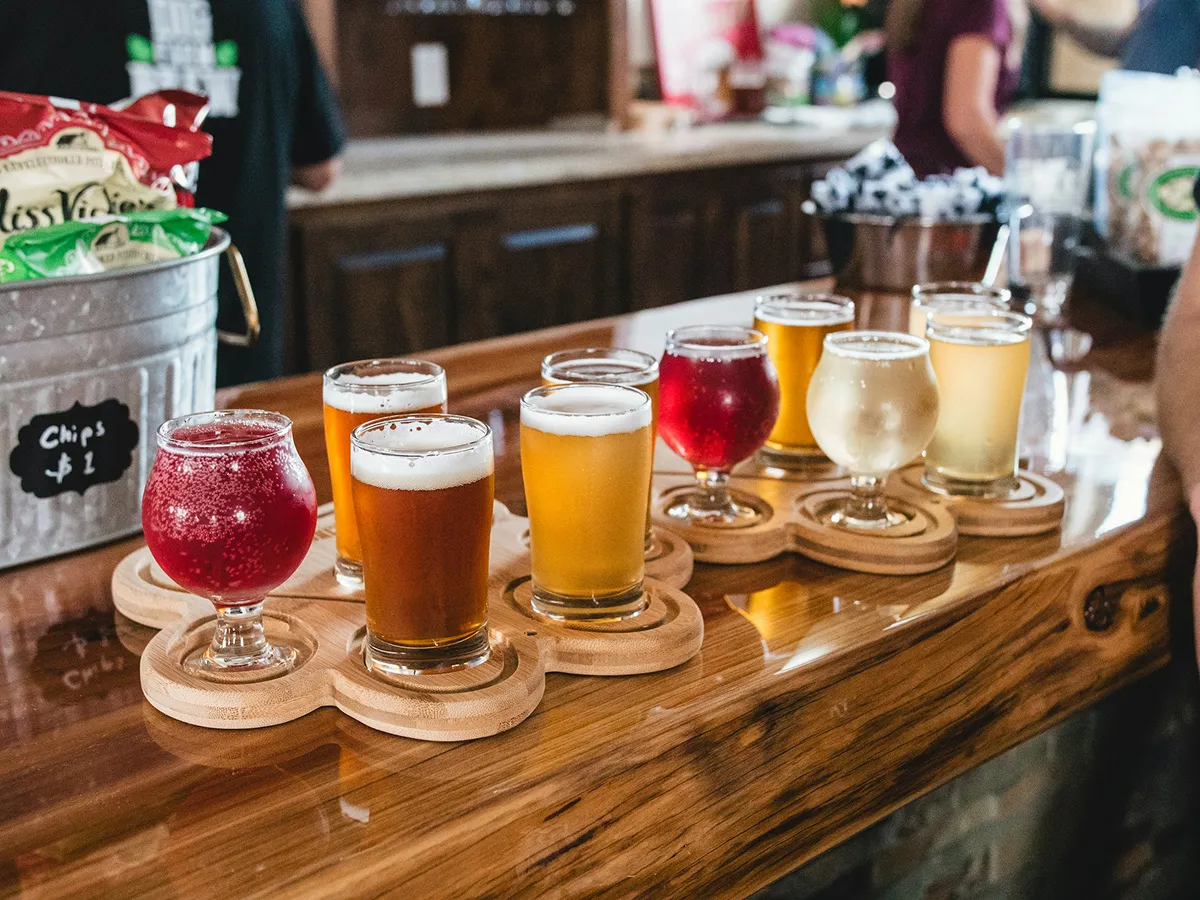
A tasting flight
Four kinds of mead
Traditional
Honey, water and yeast
Nothing else, so the honey’s own flavour comes through. Pale gold.
Metheglin
With herbs or spices
From the Welsh meddyglyn, “healing drink”. Ginger, cloves, meadowsweet or heather.
Melomel
With fruit
Blackberries, blackcurrants or apples added to the honey. The colour of the fruit.
Braggot
With malt
Half mead, half ale: honey brewed with malted barley. Dark and rich.
The Hill of Tara
The house of the mead circuit
On the Hill of Tara, seat of the High Kings, a long earthwork is still known as Teach Miodhchuarta: the house of the mead circuit, or the banqueting hall. Medieval writers described the great feasts held there, with every guest seated by rank and the mead passed round the hall.
Mead turns up all through the old Irish stories, and the bees that made it had their own laws. You can read about those on our Skep making page.
Make your own
A first traditional mead
You’ll need
- 1.5 kg of honey, local if you can get it
- Water, to make 4.5 litres in all
- A sachet of wine yeast
- A teaspoon of yeast nutrient
Equipment
- A 4.5 litre demijohn, with a bung and airlock
- A large pan or bucket
- Sterilising solution
Method
- Sterilise everything that will touch the mead. Wild yeast and bacteria are the main things that go wrong.
- Warm a couple of litres of water, without boiling it, and stir in the honey until it dissolves.
- Pour it into the demijohn and top up with cool water to the shoulder. Let it come to room temperature.
- Add the yeast and nutrient, fit the airlock, and keep it somewhere steady and warm, about 18 to 22°C.
- Leave it to ferment for a month or two, until the airlock stops bubbling and the mead begins to clear.
- Siphon it off the sediment into a clean demijohn, and leave it to age for at least six months before bottling.
Learn it by hand
Join a mead making workshop
Get in touch to ask when our next mead making workshop is on, or about bringing one to your school, club or community group.